



CIESAL researcher leads regional campaign to prevent glaucoma
31/03/2026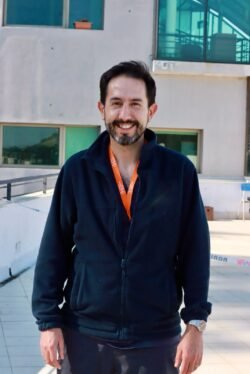 Dr Manuel Vargas, Head of Ophthalmology at Gustavo Fricke Hospital in Viña del Mar and a researcher at CIESAL, appeared across various media outlets in the Fifth Region to raise awareness of the dangers of glaucoma and emphasise the importance of early diagnosis, as it is often detected too late. Glaucoma affects one in ten older adults in Chile and is caused by a degenerative process that affects the optic nerve, which connects the eye to the brain.
“Glaucoma is a silent disease that slowly damages the optic nerve. It causes no symptoms until it has reached an advanced stage. Once symptoms do appear, they typically involve tunnel vision,” explains Vargas.
The specialist points out that genetic predisposition is a key risk factor for glaucoma, as the likelihood of developing the condition increases significantly if close relatives have it. Diabetes, advanced age and severe short-sightedness are also significant risk factors. For this reason, the specialist emphasised the importance of people “having an eye test once they reach the age of 50, so that the condition can be detected early”.
The aim of the treatment is to halt the progression of the damage by reducing eye pressure. This can be achieved using eye drops, laser treatment or, in more complex cases, surgery.
The Pan American Health Organization (PAHO) has warned that glaucoma is the second leading cause of blindness worldwide and the leading cause of irreversible blindness. It is estimated that millions of people live with this condition, but worryingly, around half of those affected are unaware of their diagnosis.
Encouraging more ophthalmologists to work in the public sector
Taking up the post of head of the Ophthalmology Department at one of the main public hospitals in the Fifth Region has proved to be a very challenging experience for Dr Manuel Vargas. “There is a heavy patient caseload, compounded by numerous administrative and management issues with which we clinicians are not familiar,” he explains.
Talking with CIESAL, Dr Vargas emphasised the most pressing issues regarding the population’s visual and ophthalmological health that need to be addressed. Areas in urgent need of improvement include coverage of remote monitoring and surgical treatment for diabetic retinopathy, both of which are included in the Essential Health Services (GES) scheme. Early diagnosis of glaucoma is also crucial, as this silent disease can lead to irreversible blindness and affects 10% of older adults. However, it is not included in the GES, meaning many patients do not have access to the necessary resources. Another deficiency is the lack of attention to refractive errors in children, as the National Board for School Assistance and Scholarships (JUNAEB), the body responsible for this in schools, lacks the necessary resources. Dr Vargas explains that all the above conditions should be a priority for CIESAL, with the aim of ‘translating clinical problems to decision-makers to drive innovation and make care and interventions more efficient’.
– What specific contributions could CIESAL make to support research in this field?
Gather information on how the network operates; propose improvements to referral processes and consultation management, ideally incorporating software and artificial intelligence; assist in creating specific digital ophthalmology records; and conduct research involving other ophthalmology stakeholders – such as industry representatives, patients and other hospitals – to encourage more ophthalmologists to work in the public sector.
Read Article in SOY VALPARAÍSO